The judgment calls no macro can make
A frontline field guide to exceptions, uncertainty, authority, and the moments when a polished saved reply is the wrong answer.
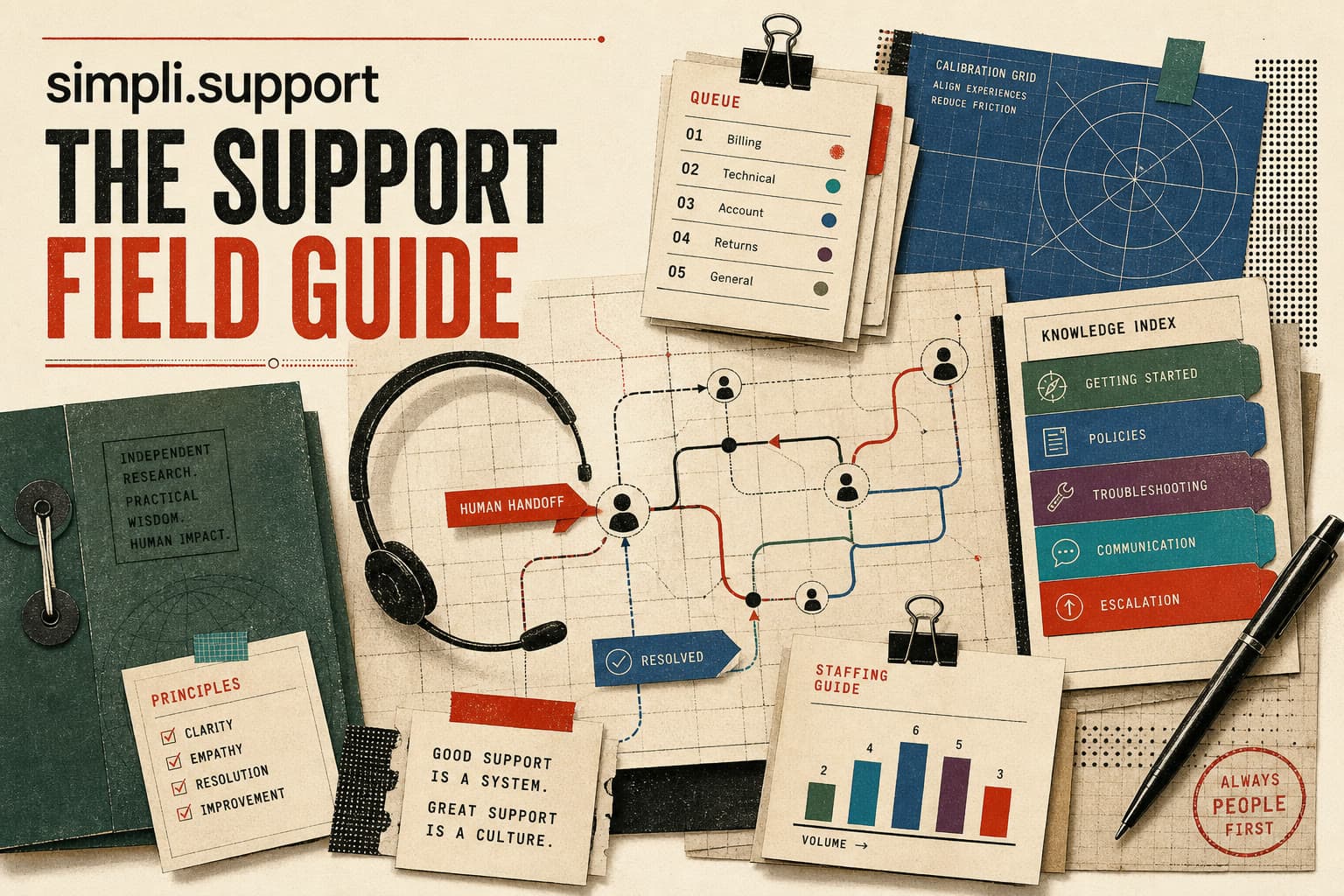
A macro is useful when the situation is familiar, the policy is stable, and the customer needs the same clear answer somebody else needed yesterday. The trouble starts when the saved reply looks complete enough to hide the decision still waiting underneath it.
As automation absorbs routine contacts, the human queue becomes more concentrated with exceptions, emotion, ambiguity, and consequence.
The frontline role is therefore not shrinking into copy-and-paste work. It is becoming a judgment role. Teams need to name the judgments explicitly instead of hoping experience appears through osmosis.
The five judgments inside a difficult contact
What is actually true? Separate the customer's account of events, the system record, the policy, and the unknowns. A confident answer built on one missing fact is still a guess.
What does the customer need now? The stated request may be a refund, but the immediate need might be certainty, access, safety, or an explanation they can take to someone else. Solve the next meaningful state, not merely the last sentence.
What authority do I have? Know the difference between discretion, an approved exception, and an unauthorized promise. Good judgment without decision rights becomes frustration; decision rights without boundaries become risk.
What could go wrong? Look for financial harm, privacy, security, vulnerability, legal exposure, irreversible actions, and precedent. Consequence—not customer volume—should determine the control level.
Who must own the next move? An escalation is complete only when a receiving owner accepts context, authority, and a new promise. Sending a message into another queue is routing, not ownership.
Use the J-A-M checkpoint
Before sending a reply that changes the customer's state, run three questions:
- Judgment: Which fact or trade-off makes this different from the standard path?
- Authority: Am I allowed to decide it, and what is my documented boundary?
- Memory: What should the system learn so the next person does not rediscover this from scratch?
Write the answers in the case when the consequence is material. This makes the decision reviewable without turning every interaction into bureaucracy. It also gives quality reviewers something better to assess than whether the agent copied the preferred phrase.
Where macros should stop
A macro should provide structure, approved language, and required facts. It should not silently decide eligibility, risk, intent, or exception authority. Mark variable fields clearly. Put stop conditions near the top. Link the policy and the escalation path. Add a visible last-reviewed date.
If an agent must delete half the macro every time, it is not a shortcut; it is a misleading draft. If agents send it unchanged in situations where it does not fit, the defect belongs partly to the system that made the wrong action easiest.