Your knowledge base is where answers go to die
Most knowledge bases don't fail by being empty. They fail by being full of stale, unfindable, unowned content that no one is paid to weed.
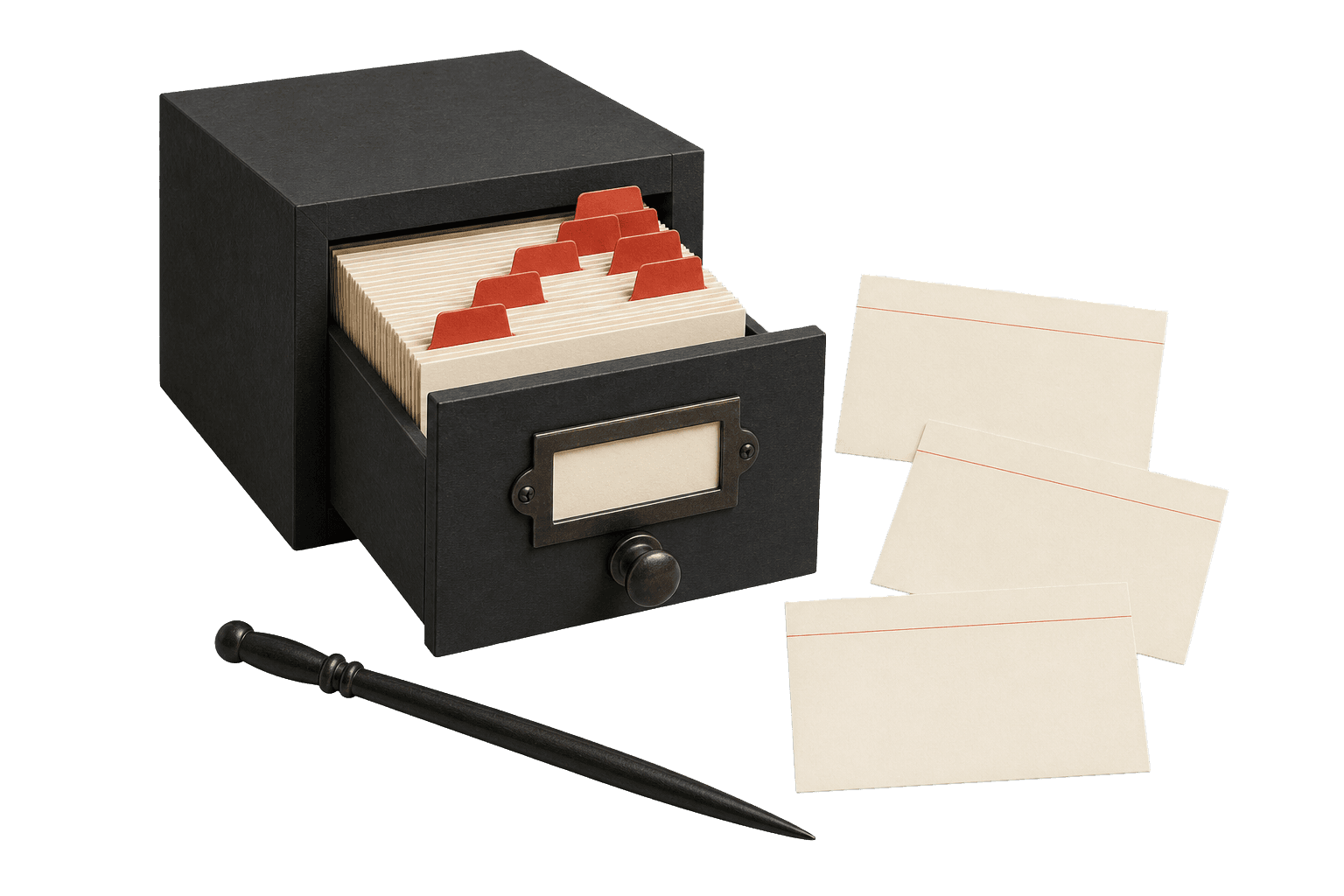
You know the article. Someone opened a ticket, an agent went hunting, and the help-center page they landed on was last edited three product versions ago. The screenshots show a UI that no longer exists; the "known issue" it warns about was fixed in 2023. The agent closes the tab and answers from scratch — again — because trusting the knowledge base costs more than ignoring it.
That is the quiet tragedy of most knowledge bases. Not that they are empty. That they are full, and wrong, and nobody can tell which parts.
The library nobody weeds
A knowledge base is not a publishing project you finish. It is a garden you weed, and almost nobody staffs the weeding. Content arrives in bursts — a launch, a migration, a heroic quarter where someone "owns the KB" — and then it sits. Products change. Policies change. The article does not. Within a year the shelves are full and half the books lie.
Customers feel this as absence, not error. Gartner's 2024 survey found that in more than four of every ten self-service attempts, people simply could not find content relevant to their problem.
The content might exist; it might even be correct. But if it is buried under three near-duplicate articles, titled in your internal vocabulary instead of the customer's, and outranked by a 2021 FAQ, it may as well not exist. Findability is not a search box you buy your way out of. It is a content-hygiene problem: too many articles, too little curation, no one deciding what dies.
The number that should scare you
Here is what all that rot produces. Across thousands of issues, only a sliver ever get fully resolved in self-service at all.
Fourteen percent. And these are not exotic edge cases; they are the ordinary, answerable questions a help center exists to absorb. Every failed attempt then converts into a ticket an agent has to handle — the exact ticket the knowledge base was supposed to prevent.
When the easy questions fail in self-service, the hard ones never stood a chance.
Ownership is the whole game
The failure is almost never technological. It is an ownership failure. Ask most teams who owns the accuracy of a given article and you get a shrug, a former employee's name, or "the KB." No name means no maintenance. No maintenance means decay. Decay means agents stop trusting the KB, stop linking it, and start hoarding answers in their own heads and DMs — which is where knowledge goes to die a second time.
The teams that break the cycle do one structural thing: they make knowledge a byproduct of the work, not a project beside it. Capture the answer while you solve the case, and let the article improve every time it is reused. It is unglamorous, and it is the whole game. When ServiceNow built knowledge into how cases get solved rather than bolting it on afterward, cases with an article attached were resolved markedly faster than those without.
Notice what that actually measures: not "we wrote more articles," but "our articles were current, findable, and trusted enough that people used them." Volume was never the constraint. Freshness was.
The cost of pretending
The seductive lie is that a knowledge base is cheap insurance — write it once, deflect forever. But stale content is worse than no content, because it burns trust in both directions: a customer who follows outdated steps and breaks something trusts you less than one who found nothing. And the customers you burn this way are the ones you can least afford to lose. Younger customers do not grind through a broken help center out of loyalty.
The ones who do persist rarely stay self-served. The journey that starts hopefully in your help center ends up bouncing through search, chat, and eventually a person — each hop slower, costlier, and more irritated than the last.
A knowledge base is a living cost, not a fixed asset. If you are not funding the weeding — the owners, the review cadence, the ruthless deletion — you are not running a knowledge base. You are running a graveyard with good SEO.
The remedy is dull and entirely within reach: give every article a named owner and a review-by date, capture knowledge as you resolve instead of in an annual sprint, and delete more than you write. For the operating model behind that discipline, start with the KCS reference; for a structure that makes ownership and maintenance explicit, use the knowledge-base article template. Start there. Your answers deserve better than to die on a shelf no one dusts.