The Voice of Customer program that actually changes something
Most VoC programs are a dashboard nobody steers by. The failure isn't collecting feedback - it's that the pipe from insight to decision was never built. Here's how to build it.
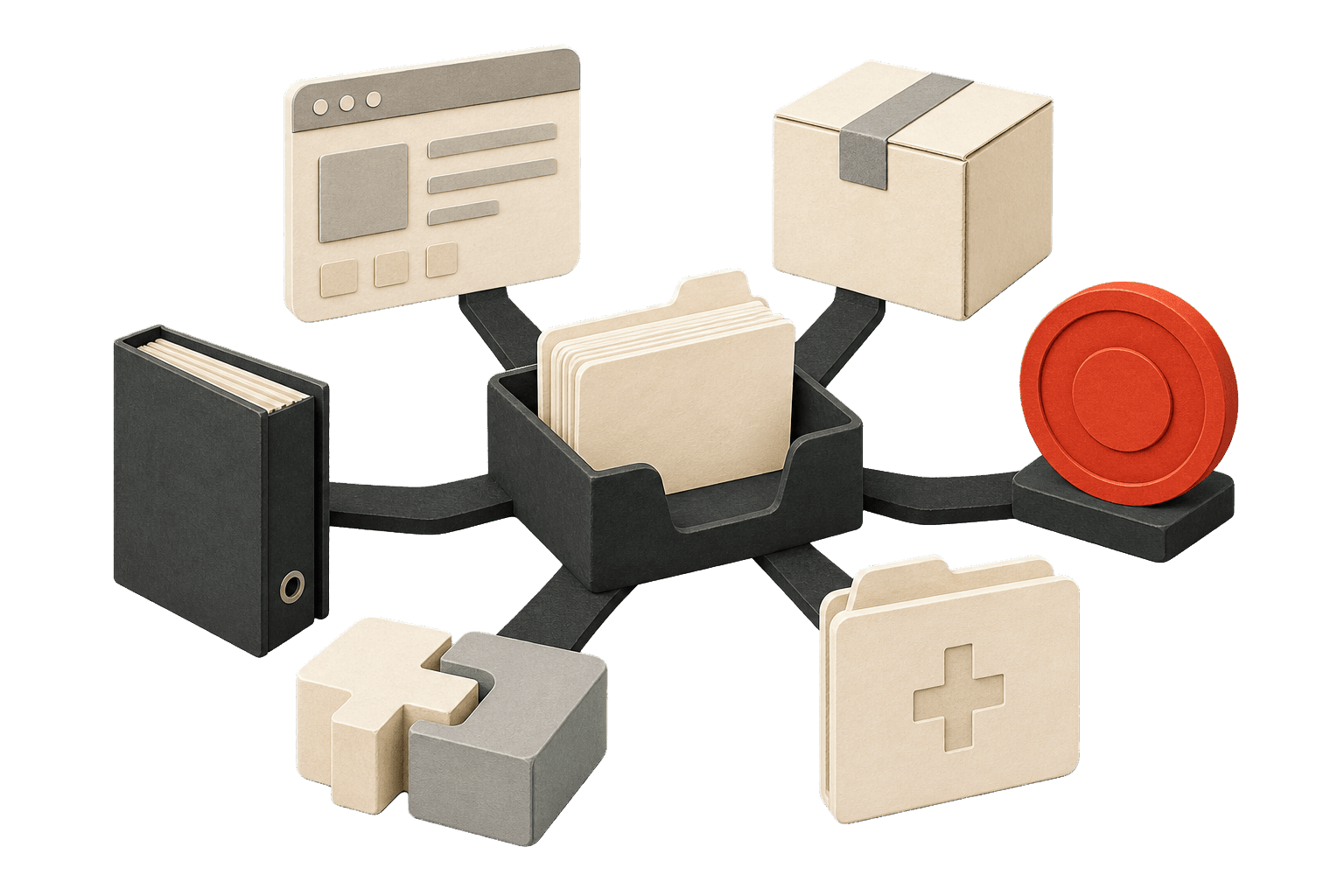
Every quarter, someone presents the Voice of Customer readout. There is a dashboard. NPS is down two points, CSAT holds, a word cloud offers "slow" and "confusing." Heads nod, the deck gets saved to a shared drive, and next quarter the same numbers move by the same margins. Nothing the company built or fixed traces back to a single thing a customer actually said. The program runs fine. It just doesn't change anything.
That is the default failure mode of a Voice of Customer program, and it is not a collection problem. Most teams collect plenty. It is that the pipe from insight to decision was never built.
Why the survey-only program gets ignored
Start with how little the people in charge trust their own instrument.
The dashboard is lit up, and almost nobody believes it is steering the ship. It gets worse when a finding has to compete for the roadmap, because it shows up missing the one thing that wins those fights — a dollar figure.
Part of the problem is that a survey only sees a sliver of reality, and a flattering sliver at that.
The customers who are angriest are the least likely to fill one out.
A program built only on solicited surveys is measuring a small, self-selected, comparatively cheerful minority and calling it the voice of the customer. No wonder the roadmap ignores it. (If you are running the whole thing off thin survey samples, we have written about why the response rate lies.)
A VoC program's real output isn't a score. It's a decision someone made differently because a customer said so.
Build the pipe backwards, from the decision
The fix is to design the program from the action end, not the survey end.
Start with a decision, not a question. Before you field anything, name the decision it will change: which onboarding step to rebuild, which policy to kill, which help article to rewrite. If a finding can't move a decision someone owns, don't collect it. A metric with no owner and no next action is decoration.
Mine the feedback you already have. Tickets, chat transcripts, cancellation reasons, and app-store reviews are unsolicited VoC, and they cover exactly the customers who would never answer a survey. Theme them. The signal your survey missed is already sitting in your help desk, already paid for.
Give every theme an owner and a due date. The insight usually exists; it just never reaches the person who could act on it while it still matters.
Route each theme to a named owner in product, ops, or policy with a specific next action — the same discipline you'd give a bug, not a suggestion box.
Attach every theme to money or behavior. This is the step most programs skip, and it is exactly why their findings lose the roadmap fight.
Put a number next to each theme — the reopen rate it drives, the churn it correlates with, the tickets it generates — so it argues on the same terms as revenue.
Close the loop in both directions. Internally, tell people what changed because of the feedback, not what the score did. Externally, tell the customers who flagged the issue that you acted; it is among the cheapest retention moves there is, and it lifts your next response rate.
Kill the dashboard that only measures
The clearest sign of a healthy program is boring: a running list of changes shipped because a customer asked for them. If your quarterly readout is still a wall of gauges with red and green arrows — the vanity dashboard everyone glances at once and never reopens — you have a measurement program, not a VoC one.
On Monday, take your three worst journeys. Pull the unsolicited feedback you already hold on each, theme it, and for every theme write one line: owner, next action, and the number it moves. That page — updated, and actually acted on — is worth more than any survey platform you can license. The point was never to hear the customer. It was to do something different because you did.